
Portable Oxygen Concentrators 2026–2034: 9.1% Growth from Respiratory Demand
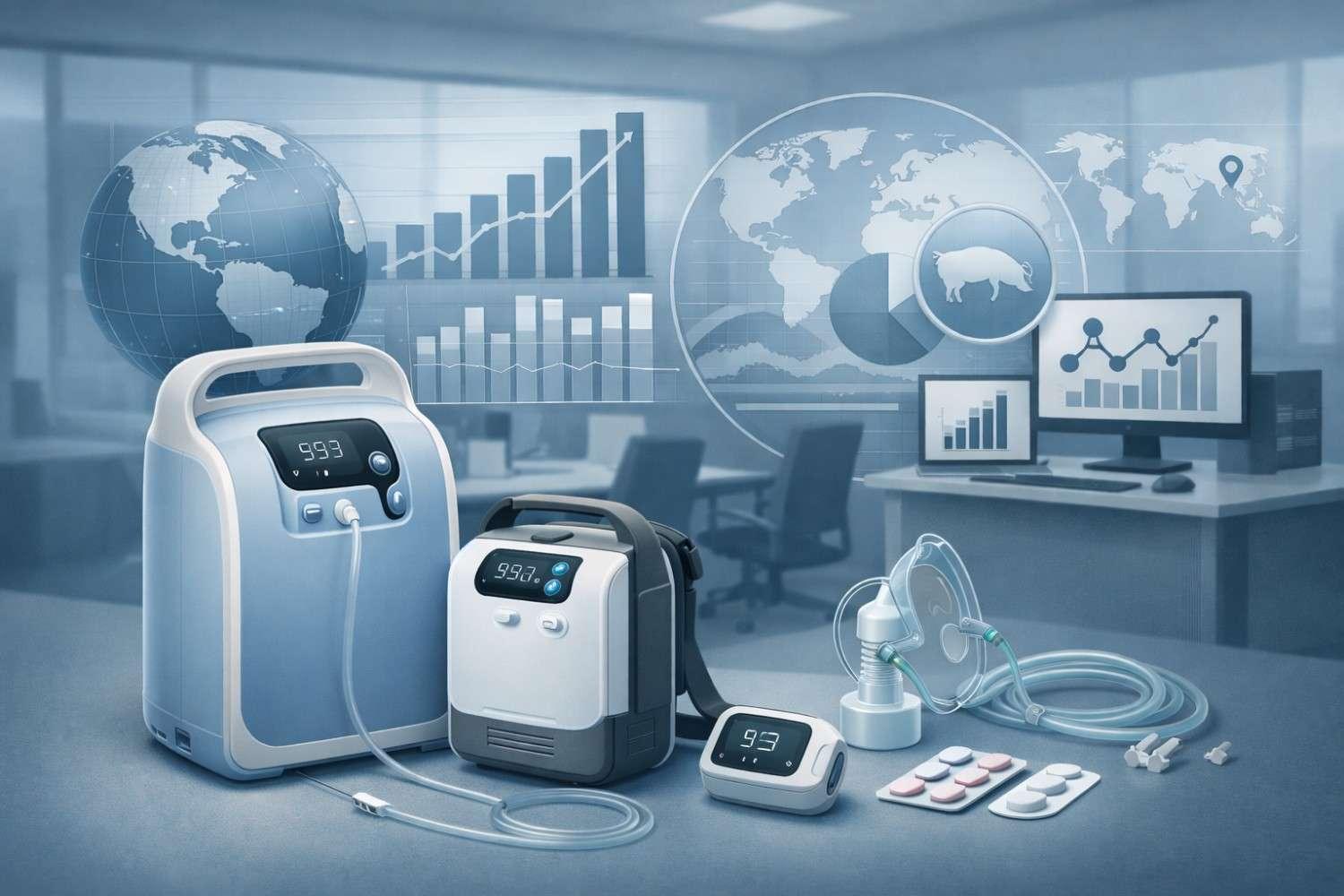
Freedom to Breathe: A Comprehensive Analysis of the Portable Oxygen Concentrators Market
For millions living with chronic respiratory conditions, supplemental oxygen is not just a treatment—it is a necessity. But the days of being tethered to a large, stationary machine or lugging heavy oxygen tanks are fading. The rise of portable oxygen concentrators (POCs) has revolutionized respiratory care, offering patients unprecedented freedom and mobility. According to a detailed report by Facts & Factors, this dynamic market is on a rapid growth trajectory, projected to more than double from USD 2.5 billion in 2025 to USD 5.5 billion by 2034, expanding at a strong compound annual growth rate (CAGR) of 9.1% .
This article provides an in-depth analysis of the portable oxygen concentrators market, exploring the key drivers, technological trends, and evolving landscape of mobile respiratory support.
What are Portable Oxygen Concentrators?
Portable oxygen concentrators are medical devices that extract nitrogen from ambient air to deliver a concentrated stream of oxygen to the user. Unlike larger stationary units, POCs are designed to be lightweight, compact, and battery-powered, allowing patients to maintain an active lifestyle. They primarily use two delivery systems:
-
Pulse Flow: Delivers oxygen in short bursts, synchronized with the user’s inhalation. This on-demand system is highly energy-efficient, conserving battery power and allowing for smaller, lighter devices.
-
Continuous Flow: Provides a steady, uninterrupted stream of oxygen, regardless of the user’s breathing pattern. This is essential for patients who require a constant oxygen supply, such as during sleep or for those with more severe respiratory needs.
Key Market Drivers: The Quest for Mobility and Independence
The significant growth of the POC market is fueled by powerful demographic, technological, and patient-centric trends.
-
Rising Global Burden of Respiratory Diseases: The primary driver is the escalating prevalence of chronic respiratory conditions. Chronic Obstructive Pulmonary Disease (COPD) , the dominant application segment with 48% of the market, affects hundreds of millions worldwide. An aging global population, combined with factors like pollution and smoking history, ensures a large and growing patient pool requiring long-term oxygen therapy (LTOT).
-
The Shift to Home-Based and Patient-Centric Care: Healthcare systems globally are moving care from expensive hospital settings to the home. POCs perfectly align with this trend. The homecare end-user segment dominates with a 65% share , as patients overwhelmingly prefer to manage their condition in the comfort of their own homes, improving their quality of life and reducing healthcare costs.
-
Technological Advancements: Continuous innovation is making POCs more appealing than ever. Manufacturers are focused on extending battery life, reducing weight and size, and making devices quieter. The launch of models like VARON’s VP-8G in 2025, touted as the lightest with advanced pulse flow settings, exemplifies this trend, directly addressing user demands for greater portability and comfort.
Market Segmentation: Efficiency and Patient Focus
The market segmentation highlights the technology that enables portability and the patient groups that benefit most.
By Delivery System: Pulse Flow Takes the Lead
-
Pulse Flow Segment (62% Market Share): This segment is dominant because its on-demand delivery is the key to true portability. By conserving oxygen and battery, it enables the design of smaller, lighter devices that can be worn or carried easily, giving users the freedom to travel, run errands, and engage in social activities.
-
Continuous Flow Segment (38% Market Share): While less portable due to higher power consumption, this delivery mode remains essential for a significant subset of patients who need a constant oxygen supply, ensuring the market serves the full spectrum of clinical needs.
By Application: COPD is the Primary Driver
-
COPD (48% Market Share): As the world’s third-leading cause of death, COPD generates the vast majority of demand for LTOT. Portable concentrators are a game-changer for COPD patients, allowing them to manage their condition while remaining active.
-
Asthma (25% Market Share): For patients with severe asthma, POCs offer a reliable source of supplemental oxygen during acute attacks or when traveling, providing peace of mind and immediate relief.
Regional Landscape: North America Leads, Asia Pacific Emerges
-
North America (38% Market Share): The region leads the market, driven by a high prevalence of respiratory diseases, a well-established healthcare system with favorable reimbursement policies for home oxygen therapy, high patient awareness, and the presence of major manufacturers like Inogen and Philips. The U.S. is the dominant force.
-
Europe: A significant and mature market, with countries like Germany and the UK at the forefront. An aging population, strong public health systems, and a focus on patient mobility and quality of life drive steady adoption.
-
Asia Pacific: This is the fastest-growing region, fueled by massive populations, rapid urbanization leading to increased pollution-related respiratory issues, rising healthcare spending, and growing awareness of home-based care options, particularly in China and India.
Challenges in the Market
Despite the positive outlook, the market faces significant hurdles that can limit patient access.
-
High Initial Cost: POCs represent a significant financial investment. The high upfront cost can be a major barrier for uninsured or underinsured patients, and for healthcare systems in developing economies, limiting the market’s full potential.
-
Reimbursement Complexities: Coverage policies for POCs vary widely by region and insurer. Inconsistent or restrictive reimbursement can make it difficult for patients to obtain these devices, even when medically necessary, forcing them to rely on less expensive but less liberating alternatives like stationary concentrators or tanks.
-
Technological Limitations: Despite advances, battery life remains a limiting factor for extended travel. Concerns about device reliability, noise levels, and the availability of service and support can also influence user satisfaction and adoption.
Future Opportunities: Smart, Connected, and Accessible
The future of the POC market lies in leveraging technology to create smarter, more integrated, and more accessible devices.
-
Integration of Smart Features: The next frontier is the “smart” POC. Integrating mobile apps, Bluetooth connectivity, and AI can allow for remote monitoring of patient usage and device performance by clinicians. This enables proactive care adjustments, better compliance tracking, and can alert users or caregivers to potential issues. Features like real-time oxygen saturation monitoring and automated flow adjustment based on activity level are on the horizon.
-
Expansion in Emerging Markets: Developing affordable, robust, and easy-to-maintain POCs tailored for emerging economies presents a massive growth opportunity. Partnerships with governments and NGOs to integrate POCs into public health programs for respiratory disease management could dramatically expand access.
-
Improved Battery and Power Management: Breakthroughs in battery technology (e.g., solid-state batteries) and more efficient oxygen concentrator components will lead to even lighter devices with significantly longer run times, further enhancing user freedom and opening up new use cases like long-haul travel.
Competitive Landscape
The market is competitive, with established medical technology leaders and innovative specialists driving progress. Key players include Inogen Inc., Koninklijke Philips N.V., Invacare Corporation, ResMed Inc., and Caire Inc. Recent product launches, such as Inogen’s VoxiTM 5 stationary unit and Caire’s IntenOxy 5, show that innovation continues across both portable and stationary segments to improve patient access and therapy quality.
For the full report, detailed data tables, and additional insights, visit: https://www.fnfresearch.com/portable-oxygen-concentrators-market
In conclusion, the portable oxygen concentrators market is on a strong growth path, fundamentally driven by the global need to improve the quality of life for millions with respiratory conditions. By offering a blend of medical necessity and personal freedom, POCs are not just a product category; they are a transformative force in respiratory care, and their future will be shaped by the seamless integration of smart technology and a relentless pursuit of greater accessibility.

 Arabic
 French
 Spanish
 Portuguese
 Deutsch
 Turkish
 Dutch
Dutch
 Italiano
 Russian
 Romaian
 Portuguese (Brazil)
 Greek
Greek