
Impact of Sustainability on Poultry Feed Market Growth
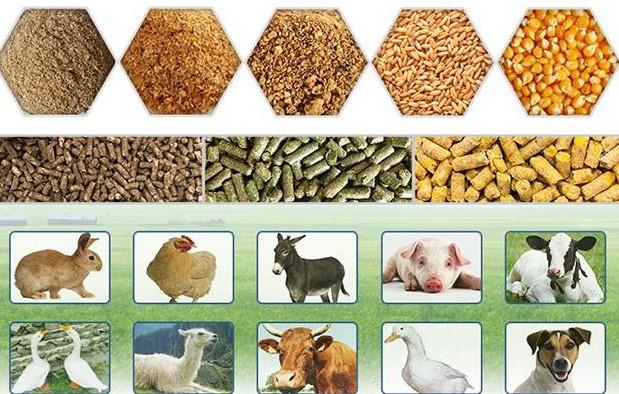
Sustainability is emerging as a critical factor in the global Poultry Feed Market, influencing ingredient sourcing, production methods, and overall business strategies. Poultry feed, which provides essential nutrients like proteins, vitamins, minerals, and amino acids, is crucial for healthy bird growth and high productivity. As environmental concerns grow, feed manufacturers are adopting sustainable practices to reduce ecological impact while maintaining feed quality and nutritional efficiency.
A major contributor to sustainability-driven growth is the rise of the eco-friendly feed ingredients market. Alternative protein sources, including soybean substitutes, insect protein, and algae, are being incorporated to reduce dependency on traditional feed crops and minimize environmental degradation. These innovations allow poultry farmers to maintain bird performance while supporting environmentally responsible production practices.
Feed production processes are also evolving to support sustainability. Manufacturers are optimizing energy use, minimizing water consumption, and employing waste-to-value strategies such as using agricultural by-products as raw material for feed. These approaches reduce carbon footprints and improve operational efficiency, aligning with global ESG goals.
Regionally, Europe and North America lead in sustainable feed adoption due to regulatory pressures and consumer demand for traceable and environmentally responsible products. Asia-Pacific is gradually following suit as awareness of sustainability in agriculture grows and modern farming practices expand.
Innovation in feed formulation complements sustainability efforts. Enzymes, probiotics, and prebiotics are added to enhance nutrient absorption, reducing feed wastage and minimizing environmental impact. Fortified feed not only improves bird health but also ensures that less feed is required to achieve optimal growth and productivity.
Looking forward to 2035, sustainability is expected to become a standard requirement rather than a differentiator. Companies integrating eco-friendly ingredients, responsible sourcing, and low-impact production methods will likely gain a strategic advantage, improve brand perception, and drive long-term market growth.
FAQs
Q1: How does sustainability affect poultry feed production?
It encourages the use of alternative proteins, energy-efficient production, and waste reduction, reducing environmental impact.
Q2: Why is eco-friendly feed important for market growth?
Sustainably sourced feed meets regulatory requirements, appeals to environmentally conscious consumers, and supports long-term industry growth.

 English
 Arabic
 French
 Spanish
 Deutsch
 Turkish
 Dutch
Dutch
 Italiano
 Russian
 Romaian
 Portuguese (Brazil)
 Greek
Greek